
-
 Continue reading →: 9 Essential Tips for English Teachers Before Winter Break: Stress-Free Strategies
Strategies for ELA teachers to manage their workload efficiently during the pre-winter break period. By planning assessments early, incorporating creative review activities, streamlining grading processes, and prioritizing self-care, teachers can reduce stress. The goal is to complete grading before the holidays, ensuring a more enjoyable break.
-
 Continue reading →: In-Class Essays: High School English Teachers Must Rethink Writing Assessment in the Age of AI
High school English teachers increasingly find that student essays show signs of AI use, resulting in unnatural writing and the loss of individual voice. To combat this, many educators are shifting towards more in-class writing assignments to enhance authenticity, focus instruction, and equitably assess student abilities, so we can foster…
-
 Continue reading →: How to End the Semester Without Burning Out: A High School ELA Teacher’s December Survival Guide
The post discusses strategies for teachers to manage their workload during the demanding month of December while maintaining student engagement. It advocates replacing cumulative finals with meaningful, quick-to-grade activities, emphasizing student self-reflection and feedback. The aim is to reduce stress for educators and improve classroom dynamics without compromising teaching quality.
-
Continue reading →: Make MLA Citation Less Painful: How to Teach MLA 9 Like a Pro!
As the leaves change and a chill enters the air, many of us are getting ready to introduce our first cited essays or research papers, and we all know what that means: the dreaded “nitty gritty” MLA citation questions are about to start rolling in. “Do I italicize or use…
-
 Continue reading →: How to Teach The Fall of the House of Usher to English 11 or American Lit ELA Classes
The Fall of the House of Usher is a challenging yet rewarding short story by Edgar Allan Poe, ideal for high school literature classes. With appropriate scaffolding, such as modern introductions and guided analyses, teachers can enhance comprehension and engagement, making this classic memorable for students while fostering substantial literary…
-
Continue reading →: How to Teach Phrases in High School English
High school students are experiencing a grammar crisis due to lack of direct instruction, leading to unclear writing and missed opportunities for improvement. Teaching phrase types systematically enhances students’ grammar skills, bridging gaps in their learning and preparing them for college and career demands. Explicit grammar instruction is essential for…
-
 Continue reading →: How and Why We Must Teach Grammar and Punctuation to Our High Schoolers
High school education has increasingly neglected grammar instruction, resulting in students’ inability to write clearly. Effective teaching necessitates explicit grammar lessons, fostering skills that promote academic and professional success. To address equity and empower students, teachers must prioritize direct, systematic grammar education, enabling students to express themselves with confidence and…
-
 Continue reading →: Full AP Lit The Awakening Unit Guide – Teaching Resources & Lesson Plans
This guide offers teaching resources for Kate Chopin’s The Awakening, aimed at engaging high school students through discussions about identity, societal expectations, and personal liberation. It provides a chapter breakdown, activities, and debate prompts to enhance literary analysis while saving preparation time for educators. Ideal for AP Literature and advanced…
-
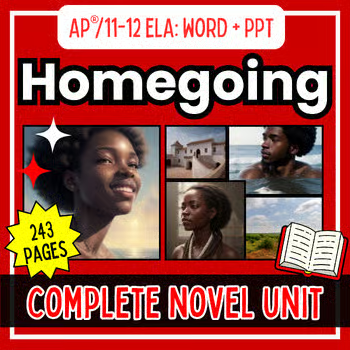 Continue reading →: Full AP Lit/Honors 11-12 Homegoing Novel Unit – Teaching Resources & Lesson Plans
The Homegoing Teacher’s Guide is an essential resource for 11th- and 12th-grade educators, providing a comprehensive framework to teach Yaa Gyasi’s novel. It includes lesson plans, activities, and discussion prompts addressing themes of family, identity, and the impacts of slavery and colonialism. The guide aims to engage students and deepen…
-
 Continue reading →: Beyond “Don’t Use Wikipedia”: Teaching Students Effective Research Skills
Many teachers discourage citing Wikipedia due to its status as a tertiary source lacking expert verification. However, Wikipedia can be a valuable research tool for background knowledge and source identification. Teaching students to evaluate information critically and utilize Wikipedia’s references fosters essential research skills for navigating information in the digital…
-
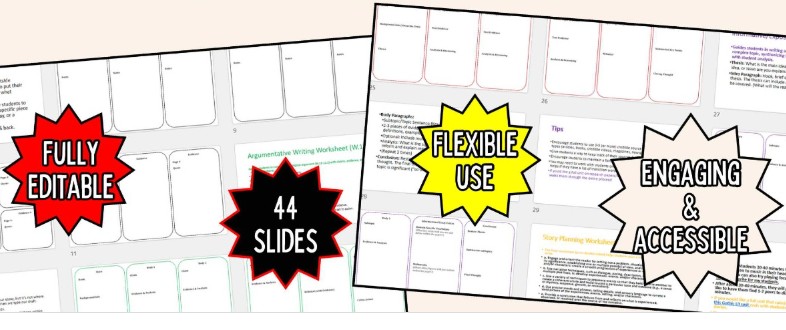 Continue reading →: When Less is More: Why Simpler Graphic Organizers Lead to Better Student Writing
From humble classroom staples to Instagram-worthy masterpieces, graphic organizers have undergone a startling transformation—but at what cost to actual learning? When decorative borders and cute clip art overshadow purpose, our students suffer. The most powerful organizers strip away the visual noise, creating breathing room for young writers to think deeply…
-
 Continue reading →: Making Poetry Analysis Click: Three Game-Changing Strategies for AP Lit Teachers
AP Lit students often struggle with poetry, viewing it as boring and difficult. To enhance their confidence, teachers can adopt three strategies: emphasizing five key question types to reduce anxiety, starting with contemporary poems to build connections, and modeling annotation techniques. These approaches can transform poetry lessons, fostering analytical skills…
-
 Continue reading →: Teaching Critical Lenses in High School: Literary Analysis That Resonates
Teaching critical lenses in literature can be challenging yet rewarding. Students often find these theories intimidating, which can disconnect them from meaningful analysis. By connecting these concepts to familiar texts and providing structured support, educators can enhance students’ understanding, engagement, and analytical skills, transforming essays into insightful discussions and fostering…
-
 Continue reading →: How to Get Through Novels and Plays Your Students Don’t Like: Strategies for Tough Reads
Context, multimedia, focusing on key chunks, connecting to psychology and pop culture, activities, and accountability can combat disengagement.
-
 Continue reading →: Supporting Learners Who Fall Behind: Strategies for Teachers
How can teachers help when students fall behind in class? Key reasons for lagging include anxiety, feeling overwhelmed, lack of confidence, perfectionism, confusion, poor time management, and external life challenges. Strategies offered include breaking tasks into manageable parts, emphasizing progress, building confidence, and maintaining clear communication.
-
 Continue reading →: 6-Week Maternity Leave Sub Plans for High School English Teachers (Grades 9-12)
Complete Persuasive Speech Unit: No-Prep Sub Plans for ELA Maternity Leave/Paternity Leave Reading Time: 5 minutes Planning maternity leave when you’re a high school English teacher can be pretty overwhelming. You need to write sub plans, you are probably a little worried about classroom management while you’re gone, and you…
-
 Continue reading →: Teaching Critical Lenses: Great for AP Lit, AP Lang, and 11th or 12th Grade ELA
Let’s get into the value of critical lens assignments for engaging high school AP Lit and AP Lang students in literary analysis. Discover six lenses—Reader Response, Psychoanalytical, Post-Colonial, Gender, Class, and Ecocriticism—that stimulate critical thinking and writing skills. These assignments enhance students’ analytical abilities and connect to student interests with…
-
Continue reading →: 11th Grade: College and Career/Future Options Unit for High Schoolers
Let’s make a “college and career” unit! Effectively engage high school students by providing guidance for their futures with tailored surveys, structured research, and practical tools like teen-specific resume templates. A unit like this can prepare students for various paths. Parental involvement and practical applications enhance the unit’s impact, fostering…
-
 Continue reading →: Teaching College Essays: Narrative Writing and Application Success
Let’s talk teaching narrative writing skills through college application essays for high school juniors and seniors! We can transform a daunting task into an engaging learning experience with this activity, helping students share meaningful personal stories!
-
Should We Stop Teaching Shakespeare?
Published by
on
 Continue reading →: Should We Stop Teaching Shakespeare?
Let’s talk about the importance of teaching Shakespeare to modern students, despite concerns about comprehension. Mastering his texts enhances critical reading skills, cultural literacy, and confidence. Effective teaching strategies include demystifying the language, utilizing performance approaches, and connecting themes to contemporary issues to boost student engagement and understanding.
Hi,
I’m Carly

Welcome to English with Mrs. Lamp, where I share teaching ideas, advice, and resources for 11th Grade American Literature, AP Lit, and High School ELA!
I specialize in providing units and materials for new teachers & homeschool parents that come with thorough pacing guides, unit calendars, lesson plans, answer keys, and notes with tips, tricks & advice to make your lessons go smoothly!
Let’s connect
Search By Category:
- 11th Grade English
- Advice
- AP Lit
- AP Lit Test Prep
- Citation
- Citing Text Evidence
- Critical Lenses
- Discussion
- Drama and Plays
- Essays
- Grammar, Usage, and Mechanics
- Lit Movements
- Lit Terms
- Novel Study
- Poetry Analysis
- Prose Analysis
- Reading Literature
- Rubrics
- Uncategorized
- Writing